Choosing a clinical monitoring platform requires more than comparing product brochures. Global buyers need dependable data, clear workflows, and evidence that supports real clinical decisions. In 2026, leading clinical monitoring solutions may combine remote patient observation, wearable sensors, alert management, analytics, and secure cloud access. Yet the market is crowded. Price alone misleads.
This guide examines solutions through a practical buyer’s lens. It considers measurement accuracy, device usability, interoperability, cybersecurity controls, implementation support, and long-term ownership costs. A hospital may need bedside integration, while a research organization may prioritize protocol compliance and clean study data. A home-care provider could value battery life, simple patient instructions, and rapid escalation when readings change. Small details matter.
Experience from clinical environments shows that adoption often depends on staff confidence. Complex dashboards can create alert fatigue, even when the underlying technology performs well. Vendor claims should be tested against independent evidence, documented validation, and transparent performance metrics. Buyers should also review training, maintenance, data ownership, and regional support before signing a contract.
No solution fits every setting. Evidence remains uneven across some newer devices and software features. That limitation deserves attention. Product rankings can also change as integrations, standards, and purchasing conditions evolve. Therefore, this overview does not treat a high position as a universal recommendation. Instead, it offers a structured starting point for comparing clinical monitoring solutions against patient needs, operational realities, and responsible procurement standards. The strongest choice is usually the one teams can use consistently, evaluate honestly, and improve over time.
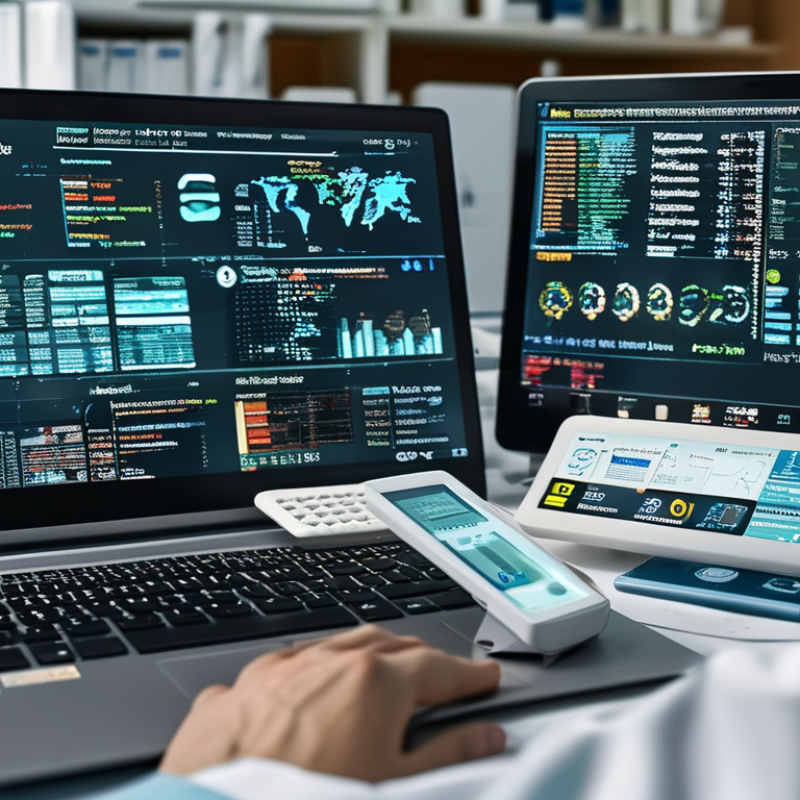
Core functions should connect evidence with action. A useful system highlights unusual visit delays, repeated data corrections, or inconsistent safety reporting. It also records who reviewed an issue, when it was addressed, and what evidence supports closure.
Reliable access controls and audit trails are essential for trustworthy oversight. However, automated alerts can be noisy. Human judgment still matters, especially when local workflows or participant circumstances explain a pattern. A perfect dashboard does not exist.
Tips: Define monitoring goals before comparing solutions. Test the workflow with realistic site data, including late visits and incomplete records. Ask whether users can explain each alert without technical assistance. Review training materials, support response times, data protection practices, and reporting flexibility. Keep the process practical. Overcomplicated tools may reduce adoption, even when their features appear impressive. Experiences from pilot studies should guide refinement, not just purchasing decisions.
Clinical monitoring in 2026 is becoming more continuous, connected, and patient-centered. Wearable sensors can capture heart rate, temperature, movement, and sleep patterns during daily activities. Remote monitoring platforms can transfer these measurements to study teams within minutes. This reduces dependence on occasional clinic visits. It also gives investigators a clearer view of changing patient conditions.
Artificial intelligence now helps identify unusual trends across large datasets. However, algorithms should support clinical judgment, not replace it. A sudden pulse increase may indicate illness, exercise, stress, or a faulty sensor. Human review remains essential. Digital biomarkers, electronic patient-reported outcomes, and home-based testing can improve trial participation. They may also reduce travel demands for people living far from research centers.
Cloud interoperability is another important development. Standardized data formats allow information from devices, laboratories, and clinical systems to work together. Edge computing can process sensitive data closer to the patient. Strong encryption, access controls, audit trails, and consent management remain necessary. Connectivity gaps still affect rural and underserved populations. Battery failure can interrupt valuable monitoring. These weaknesses require practical backup procedures, trained staff, and regular device checks. Reliable solutions will combine advanced technology with careful oversight and patient feedback.
Clinical monitoring solutions differ by the evidence they collect and the risks they control. For global buyers, the right type depends on study design, patient needs, and site capability. Central laboratory monitoring tracks blood chemistry, biomarkers, and specimen stability. Imaging monitoring reviews scans using consistent protocols and trained readers. These systems can reveal changes that routine visits miss. Still, data can arrive late.
Electrocardiogram monitoring supports cardiac safety by identifying rhythm changes and interval shifts. Wearable and remote monitoring solutions capture heart rate, temperature, movement, or sleep patterns between visits. Electronic patient-reported outcome tools record symptoms directly from participants. Human review remains important. A dashboard may flag an abnormal value, but context decides whether it matters. That assumption can fail when devices are poorly fitted or patients misunderstand instructions.
For procurement teams, interoperability is a practical concern. Solutions should exchange structured data with clinical databases and laboratory systems. Buyers should examine validation records, audit trails, role-based access, and data recovery procedures. Local language support also affects completion rates and training quality. In field evaluations, small issues matter: a confusing alert, a weak internet connection, or a missing charging cable can disrupt monitoring. No system is flawless. A careful assessment should test ordinary problems before approving large-scale deployment.
Choosing a clinical monitoring vendor requires more than reviewing a polished product demonstration.
In real study operations, evaluators should examine how the platform handles protocol deviations, overdue visits, source data review, and escalation records.
Ask for a guided workflow using realistic study scenarios.
A simple dashboard is helpful, but clear audit trails matter more.
Assess the vendor’s validation approach, data security controls, access permissions, and disaster recovery procedures.
Request evidence of testing, documented change management, and reliable uptime reporting.
The platform should support appropriate privacy requirements across study regions without forcing teams into unclear workarounds.
Integration also deserves close attention.
Check whether it connects smoothly with electronic data systems, safety workflows, document repositories, and approved identity services.
Support quality can decide the outcome.
Speak with current users about response times, training depth, implementation delays, and post-launch assistance.
Review service commitments in plain language.
A low initial price may hide configuration fees or difficult data extraction.
Run a limited pilot with monitors, data managers, and site staff.
Their feedback may expose problems that procurement teams miss.
A polished demo can mislead.
Even experienced evaluators overlook small workflow burdens, such as repeated logins or confusing alerts.
Leave room for reconsideration.
No platform fits every protocol, geography, or operating model.
Global buyers should assess clinical monitoring solutions through compliance, integration, security, and total cost. Compliance is not a checkbox. National rules may govern consent, medical-device classification, data residency, retention, and cross-border transfers. According to the WHO Global Strategy on Digital Health 2020–2025, 129 countries had national digital health strategies by 2019. That progress increases expectations for accountable digital systems. Buyers should request audit trails, configurable access controls, documented validation, and clear breach procedures. Local legal review remains essential.
Integration determines whether clinicians receive useful signals or noisy alerts. Platforms should support open APIs, HL7 FHIR, DICOM, and reliable identity matching. A strong interface can connect bedside monitors, mobile devices, laboratories, and electronic records without repeated manual entry. Security needs encryption in transit and at rest, network segmentation, tested backups, and continuous vulnerability management. The 2024 Cost of a Data Breach Report placed the average healthcare breach cost at 9.77 million dollars. That risk changes the cost calculation. Subscription price alone is misleading. Include implementation, training, cloud storage, calibration, support, and downtime. Some projects still overbuy dashboards and underfund validation. That is uncomfortable, but common. A practical assessment should test weak connectivity, delayed alerts, multilingual workflows, and emergency access before procurement. Reliability is proven under pressure, not during a polished demonstration.