Best Portable Diagnostic Equipment for Accurate Health Assessment?
In today's fast-paced healthcare environment, accurate health assessment is crucial. Portable diagnostic equipment plays a vital role in this transformation. As technology evolves, these tools become essential for both professionals and patients. They allow for immediate results, increasing efficiency and patient satisfaction.
Many healthcare providers can benefit from portable diagnostic tools. These instruments can be used in various settings—from clinics to remote areas. They are designed to be user-friendly, ensuring ease of use for healthcare practitioners. However, challenges remain. The accuracy of the results can vary based on the device and the environment. Users must also be trained properly to avoid misinterpretation of data.
Investing in quality portable diagnostic equipment is important. It should meet industry standards and provide reliable results. However, cost can be an issue for many facilities. The affordability of these devices should be weighed against their effectiveness. Continuous research and advancements in this field offer hope for improved solutions. Despite imperfections, the potential of portable diagnostic equipment continues to grow, bridging gaps in healthcare accessibility.
Overview of Portable Diagnostic Equipment for Health Assessment
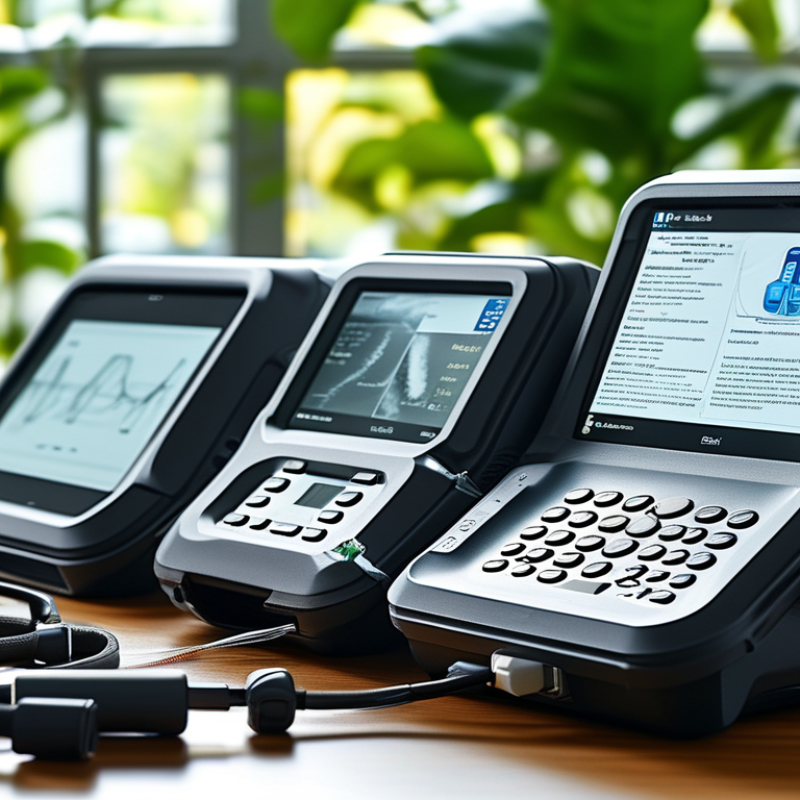
Portable diagnostic equipment is transforming health assessment by providing reliable results in various settings. These devices are designed to enhance accessibility for both healthcare professionals and patients. They are lightweight, user-friendly, and ideal for home use or remote locations. Examples include portable ultrasound machines and handheld blood analyzers. Such tools allow for timely diagnostics, which is critical in emergency situations.
These devices often come with built-in software that aids in data interpretation. However, the accuracy of results depends on the user's knowledge and skill. Inaccurate readings can arise from user error or equipment malfunction. It's essential that healthcare providers are trained effectively to utilize these tools for best results. Additionally, while many portable devices boast impressive specifications, the technology is still evolving. Therefore, it is crucial to remain open to improvements and adapt to new discoveries.
Maintenance of portable diagnostic equipment is another significant consideration. Regular calibration and software updates play a key role in ensuring performance. Future advancements promise increased features and capabilities, but they come with learning curves. Users need to stay informed and adapt to these changes to provide the best patient care possible. Investing in continuous education is vital for anyone using these emerging technologies in health assessment.
Best Portable Diagnostic Equipment for Accurate Health Assessment
This chart illustrates the usage frequency of various portable diagnostic equipment used for health assessment over the course of a month. Blood glucose meters and digital thermometers are among the most frequently used devices, highlighting their importance in everyday health monitoring.
Key Features to Consider in Portable Diagnostic Devices
Portable diagnostic equipment has transformed health assessments in various settings. When evaluating such devices, certain key features should be prioritized to ensure accuracy and reliability. A report from the World Health Organization indicates that around 80% of health professionals prefer portable devices for immediate diagnostics. This highlights the need for devices that are user-friendly and yield quick results.
Accuracy is paramount; devices must have a proven track record of correct readings. Calibration protocols and ease of use also contribute to reliability. Many professionals overlook the importance of battery life and portability. A device is ineffective if it cannot function in remote locations or during emergencies. According to studies, more than 60% of healthcare workers reported mobility as a crucial factor in device choice.
Consider regular updates and technological advancements in your selection process. Features like wireless connectivity and data integration are increasingly essential. These allow real-time sharing of results, facilitating timely interventions. However, users should remain cautious of over-reliance on automated readings without clinical validation. Striking a balance between technology use and professional judgment is vital to maintaining diagnostic integrity.
Top Portable Diagnostic Tools for Home and Clinical Use
Portable diagnostic tools are transforming health assessments at home and in clinical settings. These devices can monitor vital signs, conduct blood tests, and assess overall health. They provide healthcare professionals and individuals with immediate data for informed decision-making.
One popular tool is the handheld ultrasound device. This compact technology allows for quick imaging, aiding in various diagnostics. However, proper training is essential to ensure accurate readings. Another valuable tool is portable ECG monitors. They help track heart health but can be complex to interpret without medical knowledge.
While these tools offer great convenience, they are not infallible. Users must understand their limitations. Misinterpretation of results can occur without adequate training. Regular calibration and maintenance are necessary to ensure accuracy. Therefore, integrating professional guidance with these portable devices is crucial for effective health assessment.
Best Portable Diagnostic Equipment for Accurate Health Assessment
| Equipment Type |
Key Features |
Usage |
Approx. Price (USD) |
| Digital Thermometer |
Fast reading, LCD display, fever alert |
Home and clinical use |
20 - 50 |
| Pulse Oximeter |
Oxygen saturation measurement, compact design |
Home and clinical use |
30 - 70 |
| Blood Pressure Monitor |
Automatic measurement, large display, memory function |
Home and clinical use |
50 - 150 |
| Glucose Meter |
Fast result, data storage, Bluetooth connectivity |
Home and clinical use |
15 - 60 |
| ECG Monitor |
Wireless connectivity, heart rhythm analysis |
Home and clinical use |
100 - 300 |
Comparative Analysis of Accuracy in Portable Diagnostic Equipment
Portable diagnostic equipment is transforming health assessment. This technology’s accuracy is crucial for timely medical interventions. Devices such as handheld ultrasound, portable blood pressure monitors, and pocket-sized ECG machines have gained popularity. Their compact size allows for easy transportation and immediate use in various settings. However, accuracy varies among devices, making comparative analysis essential.
Research indicates that not all portable equipment delivers reliable results. Some devices struggle in high-stress environments. For instance, factors like user proficiency and external conditions impact measurements. Portable devices may also lack features found in traditional equipment. Understanding these limitations helps healthcare professionals choose the right tool.
Patients often benefit from quick assessments, yet reliability must not be compromised. Comparing specifications, testing methods, and real-world performance is necessary. Medical practitioners should remain aware of the nuances of each tool. A clear understanding of these variations fosters informed decisions when selecting diagnostic equipment.
Future Trends in Portable Health Diagnostics and Technology
The landscape of portable health diagnostics is evolving rapidly. Recent reports indicate that the portable diagnostics market is expected to reach over $23 billion by 2026. This rapid growth highlights the increasing demand for at-home and on-the-go health solutions. With advancements in sensor technology, devices are becoming more compact and efficient. For instance, wearable devices can now monitor vital signs and provide real-time data to both users and healthcare providers.
Future trends suggest an integration of artificial intelligence and machine learning into these devices. AI algorithms can analyze data quickly and accurately, improving the speed of diagnosis. A study shows that incorporating AI can reduce diagnostic errors by up to 40%. However, reliance on technology raises concerns about accuracy and data privacy. There is debate about how much patients can trust these devices without proper regulation.
Healthcare professionals are urging a balance between technology and human oversight. While portable devices offer convenience, they should complement traditional methods, not replace them. It’s essential to recognize that these advancements still require rigorous testing and validation. The push for innovation must ensure that patient safety and data integrity remain top priorities.