How to Choose the Best Ambulatory Monitoring Systems?

Choosing the right ambulatory monitoring systems requires more than comparing product brochures. The best option should match clinical goals, patient routines, and staff capacity. A compact wearable may suit a mobile patient, while a longer-term recorder may better support intermittent symptoms. The decision should begin with the question: what information must the system capture?

Reliable performance matters. Look for validated signal quality, practical battery life, secure data transmission, and clear reporting tools. A device that loses contact during sleep can weaken an otherwise useful study. Skin comfort also deserves attention. Patients may remove uncomfortable sensors before the monitoring period ends. Small details matter.

Speak with clinicians who use the system daily. Their experience can reveal alert fatigue, difficult setup steps, or delays in reviewing results. Ask vendors for evidence, training support, maintenance requirements, and transparent performance limitations. Independent validation is more persuasive than polished marketing language. Patient privacy and data security should remain central throughout the evaluation.

No system is perfect. A technically advanced platform may still fail within a busy clinic. An affordable device may create hidden workload for nurses and technicians. This is where careful testing helps. Run a limited pilot, collect feedback, and measure completion rates, artifact frequency, reporting time, and patient satisfaction. Reconsider the choice when real-world findings differ from expectations. The strongest ambulatory monitoring systems are not simply feature-rich; they are dependable, understandable, and suitable for the people using them.

How to Choose the Best Ambulatory Monitoring Systems?

Define System Types by Recording Window: 24–48 Hours, 7–14 Days, or 30 Days

The recording window should match the symptom pattern, not the device’s marketing label. A 24–48-hour Holter suits daily palpitations, frequent ectopic beats, or medication checks. However, brief monitoring can miss irregular episodes. A 2014 Journal of the American College of Cardiology study found that extended monitoring detected more arrhythmias than traditional 24-hour Holter testing. The difference matters when symptoms appear only twice weekly.

Seven to fourteen days offers a practical middle ground. It captures intermittent palpitations while limiting skin irritation, data volume, and review time. The 2023 ACC/AHA/ACCP/HRS atrial fibrillation guideline supports longer ambulatory monitoring when episodes are unpredictable. A 30-day event monitor fits rare symptoms, unexplained fainting, or suspected intermittent rhythm disorders. It may improve symptom-rhythm correlation, but patient compliance can weaken the result. A missed activation is still a missed event.

Tips: Ask how often symptoms occur. Daily symptoms rarely need 30 days. Monthly symptoms may need longer observation. Check battery life, electrode comfort, automatic detection, and clinician review procedures. Confirm how quickly urgent findings are escalated. The “best” system is not always the longest one. Real-world adherence often decides performance. That part is easy to underestimate. Guidelines also cannot replace clinical judgment, especially when fainting, chest pain, or severe breathlessness occurs.

Evaluate ECG Accuracy Against ANSI/AAMI EC57 Performance Standards

How to Choose the Best Ambulatory Monitoring Systems?

ECG accuracy should be judged against ANSI/AAMI EC57 performance standards, not marketing claims. The standard supports structured testing of ventricular arrhythmia analysis algorithms. Ask vendors for sensitivity and positive predictivity results. Request the test database and annotation method. Without these details, percentages can be difficult to interpret.

Review how the system detects ventricular ectopic beats, tachycardia, and other rhythm events. Check whether testing included noise, motion artifact, lead loss, and changing signal quality. Clean laboratory recordings may produce impressive results. Real patients rarely remain still for twenty-four hours. That gap matters.

During evaluation, compare automated events with expert-reviewed reference annotations. Examine false positives per recording hour, missed events, and performance across different patient groups. Confirm whether the reported results match your intended population and workflow. A technically strong algorithm may still create alert fatigue if it overcalls harmless beats. No test set is perfect. I have seen accuracy tables hide practical weaknesses, especially during poor electrode contact. Independent review remains valuable. Measure it in realistic conditions.

Match Wear Duration to Symptoms Using ACC/AHA/HRS Monitoring Guidance

How to Choose the Best Ambulatory Monitoring Systems?

Match Wear Duration to Symptoms Using ACC/AHA/HRS Monitoring Guidance

Choosing an ambulatory monitor should begin with symptom frequency, not device features. ACC/AHA/HRS guidance emphasizes matching monitoring duration to the chance of capturing a rhythm during symptoms. Daily palpitations may suit a 24- to 48-hour Holter monitor. A multi-day patch can help when symptoms appear several times weekly. Longer event monitoring may be more practical for monthly episodes.

The details matter. Ask when symptoms occur, how long they last, and whether activity triggers them. A patient who feels dizzy after climbing stairs may need a monitor that records during movement. Someone with rare fainting episodes may require extended monitoring, sometimes including an implantable option chosen by a qualified clinician. The goal is symptom-rhythm correlation, not simply collecting more data.

Longer is not always better.

A poorly fitted sensor can create noise, skin irritation, or missing signals. A diary noting time, posture, exercise, meals, and symptoms can make the recording more useful. Clinicians should also consider known heart disease, medication changes, baseline ECG findings, and the seriousness of the episode. The match is not always neat; symptoms can disappear during monitoring. That uncertainty deserves discussion, rather than an overly confident device choice. Clear instructions, follow-up review, and timely attention to fainting, chest pain, or severe breathlessness remain essential.

Verify Ambulatory Blood-Pressure Devices Under ISO 81060-2 Protocols

How to Choose the Best Ambulatory Monitoring Systems?

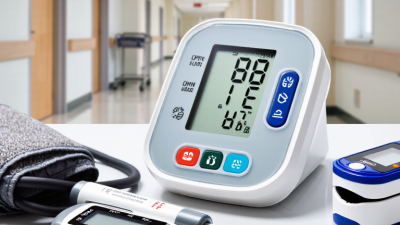
Ambulatory blood-pressure monitoring should begin with clinical validation, not a feature checklist. ISO 81060-2 defines a structured protocol for testing intermittent, non-invasive sphygmomanometers. It examines agreement against a reference method across different pressure ranges and patient groups. A credible validation study normally includes at least 85 participants and 255 paired measurements. Check the published protocol, not only the compliance statement. WHO’s Global Report on Hypertension (2023) estimates that 1.28 billion adults aged 30–79 have hypertension worldwide. Accurate out-of-office measurement is therefore a clinical priority, not a minor convenience.

The tested cuff, software version, and measurement algorithm must match the device under review. Confirm cuff sizes for small, standard, and large arms. Ask whether participants included older adults, people with obesity, and those with treated hypertension. These details expose weak evidence. In practice, movement, loose clothing, and nighttime inflation can create failed readings. A device may pass a controlled study yet perform poorly in a noisy ward. That deserves reflection.

Tips: Request the full ISO 81060-2 validation report. Review mean error and standard deviation, not just “validated” wording. Test data transfer with real patients before deployment. Record failed readings, sleep disruption, and cuff complaints. Convenience matters, but accuracy comes first.

Compare FDA Clearance, HIPAA Security, Cost, and Patient Adherence

When choosing an ambulatory monitoring system, verify FDA clearance before reviewing features. A 510(k) clearance indicates substantial equivalence, not proof of superior clinical performance. The FDA’s Premarket Notification guidance makes this distinction clear. Ask whether the cleared indication matches your patient population, recording duration, and diagnostic workflow. A polished dashboard cannot correct an unsuitable indication.

HIPAA security deserves equal scrutiny. The HIPAA Security Rule requires administrative, physical, and technical safeguards, but it does not certify a specific product. Request encryption details, access logs, breach procedures, and data-retention policies. The 2024 Cost of a Data Breach Report placed average healthcare breach costs near 9.8 million dollars. That figure changes the purchasing conversation. Cost also includes setup, clinician review time, replacement sensors, connectivity, and support. A low subscription price may hide expensive manual work.

Patient adherence is more tangible than a sales chart. Patients may remove sensors during sleep, bathing, or work. A 2023 systematic review in npj Digital Medicine reported wide variation in wearable adherence across studies, showing that device comfort and engagement remain inconsistent. Choose lightweight equipment, simple instructions, and visible battery status. Measure analyzable wear time, not merely shipment numbers. In practice, a small pilot with ten to twenty patients can expose confusing alerts and poor skin tolerance. I would still question short pilots. They may miss seasonal routines, caregiver burden, and long-term disengagement.

How to Choose the Best Ambulatory Monitoring Systems? - Compare FDA Clearance, HIPAA Security, Cost, and Patient Adherence

System Type Primary Use Typical FDA Regulatory Pathway HIPAA Security Requirements to Verify Typical U.S. Self-Pay Cost Patient Adherence Factors Best-Fit Setting
Extended-wear ECG Patch Continuous detection of intermittent arrhythmias and heart-rate trends Usually FDA 510(k) clearance for the monitor, electrodes, and analysis workflow; verify the intended-use statement and monitoring duration Confirm encryption in transit and at rest, role-based access, audit logs, secure clinician portal, data-retention controls, and a business associate agreement when applicable Approximately $150–$500 per study Generally high because the device is lightweight and discreet; skin irritation, adhesive failure, bathing restrictions, and charging or replacement instructions can reduce completion Outpatient evaluation of palpitations, syncope, suspected atrial fibrillation, or infrequent rhythm symptoms
Traditional Holter Monitor Continuous ECG recording over a short monitoring period Typically FDA 510(k) cleared as an ambulatory electrocardiographic monitoring system Verify encrypted device transfer, authenticated software access, protected storage, user permissions, auditability, patch management, and documented incident-response procedures Approximately $100–$350 per study Moderate; multiple wired electrodes and a recorder may be less comfortable during sleep, exercise, and daily activities, but the short wear period can support completion Frequent symptoms expected within 24–48 hours and baseline rhythm assessment
Patient-Activated Event Monitor Capturing ECG data when symptoms occur, sometimes with automatic rhythm detection Generally FDA 510(k) cleared; verify whether automatic detection, mobile connectivity, and remote review are included in the cleared configuration Check mobile-app authentication, secure pairing, encrypted cloud transmission, minimum supported operating systems, remote wipe capability, and access revocation Approximately $150–$600 per study Variable; long monitoring periods improve the chance of capturing infrequent symptoms, but adherence depends on remembering to wear, activate, charge, and transmit the device Infrequent palpitations, unexplained dizziness, or suspected episodic arrhythmia
Ambulatory Blood Pressure Monitor Day-and-night blood-pressure measurement for hypertension assessment Usually FDA 510(k) cleared; verify cuff-size range, measurement accuracy, intended patient population, and validation documentation Confirm secure transfer from the recorder or gateway, encrypted reporting, clinician-only access, audit logs, retention policy, and contractual privacy protections Approximately $100–$300 per study Moderate to high; the cuff inflates repeatedly and may disturb sleep, while correct cuff placement and keeping the arm still are essential for valid readings White-coat hypertension, masked hypertension, resistant hypertension, and treatment-effect assessment
Continuous Glucose Monitoring System Continuous or near-continuous glucose trend monitoring using a wearable sensor The regulatory pathway varies by device and indication, including FDA 510(k) clearance or PMA approval; confirm whether the system is prescription or authorized for the intended use Verify secure account recovery, multi-factor authentication, encrypted app and cloud communications, caregiver permissions, data export controls, and vendor obligations under HIPAA when applicable Approximately $75–$300 per month Often high when sensor application is simple; adhesive tolerance, sensor replacement, alerts, smartphone compatibility, and alarm fatigue strongly influence continued use Diabetes management, glucose-pattern assessment, and selected short-term metabolic monitoring programs
Remote Patient Monitoring Kit Collection of home measurements such as blood pressure, pulse oximetry, weight, temperature, or glucose Each connected medical device normally requires its own applicable FDA authorization; verify the clearance status of every component rather than relying only on the platform description Require documented risk assessment, encryption, unique user accounts, least-privilege access, audit trails, vulnerability management, data backup, breach notification, and appropriate business associate terms Approximately $50–$250 per patient per month, excluding clinical services Variable; adherence improves with automatic data transmission, simple setup, multilingual instructions, reminder workflows, technical support, and minimal manual entry Post-discharge follow-up and longitudinal management of chronic cardiovascular, respiratory, or metabolic conditions
Selection note: FDA clearance or approval confirms that a device has met the applicable regulatory requirements for its authorized indication; it does not by itself guarantee clinical superiority, cybersecurity maturity, reimbursement, or patient adherence. HIPAA obligations depend on the role of the organization and the data flow, so security controls and business associate arrangements should be verified during procurement. Cost figures are general U.S. self-pay estimates and may vary by indication, duration, insurance coverage, clinical review, and service fees.
Go to Top
Have Questions? Call (888) 602-pros