Why is Remote Patient Monitoring Transforming Healthcare Today?
The healthcare landscape is undergoing a significant transformation, largely due to the rise of remote patient monitoring. This innovative approach enables healthcare providers to track patient health from the comfort of their homes. Patients can now manage chronic conditions more effectively. Access to real-time data is reshaping how healthcare is delivered.
Remote patient monitoring offers numerous benefits. It increases patient engagement and adherence to treatment plans. However, it is not without challenges. Issues such as data privacy and technology gaps can arise, affecting effectiveness. The balance between advancement and security needs careful consideration.
Healthcare professionals must adapt to this shift. Training and education surrounding remote patient monitoring are crucial. Trust in this technology is essential for successful implementation. Overall, while this transformation offers promising solutions, it requires ongoing reflection and improvement.
Overview of Remote Patient Monitoring and Its Key Features
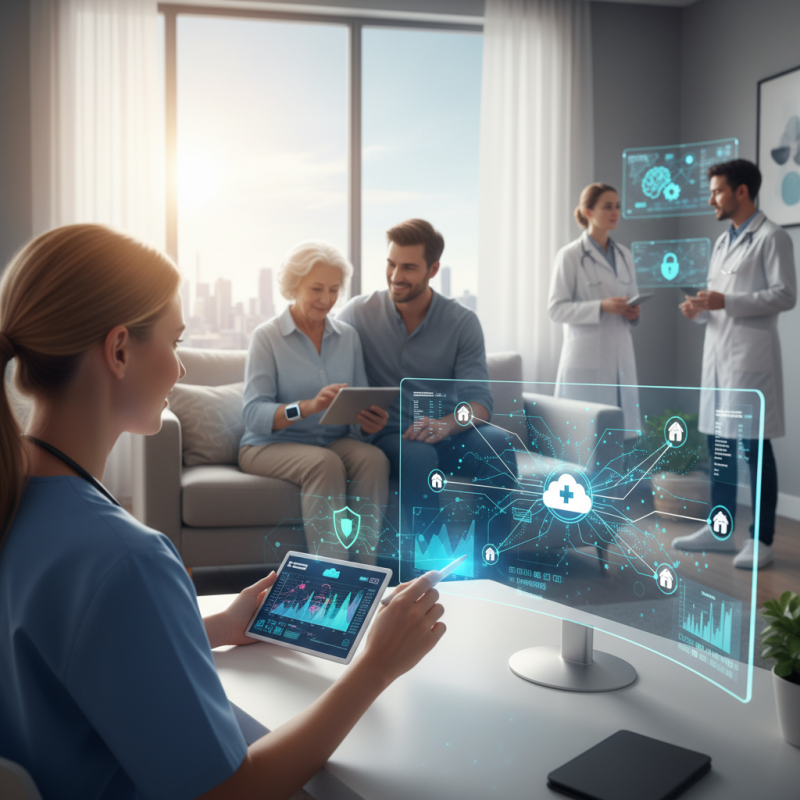
Remote Patient Monitoring (RPM) is changing the landscape of healthcare. It leverages technology to observe patients outside traditional clinical settings. This helps in chronic disease management and enhances patient engagement. RPM uses devices that track vital signs, such as heart rate and blood pressure. These readings are shared in real time with healthcare providers.
One key feature of RPM is its ability to provide continuous data. Patients are often more comfortable at home. This comfort can improve compliance with treatment plans. However, some challenges remain. Not all patients have access to the necessary technology. There’s a need for a reliable internet connection. Additionally, the interpretation of data must be accurate. Misinterpretation can lead to unnecessary anxiety or ineffective treatments.
Another important attribute is patient empowerment. By monitoring their own health, patients can better understand their conditions. This proactive approach fosters a collaborative relationship between patients and providers. Still, we must reflect on privacy concerns. Ensuring data security is paramount. With increasing reliance on technology, safeguarding patient information should be a priority for all stakeholders.
Why is Remote Patient Monitoring Transforming Healthcare Today?
The Role of Technology in Facilitating Remote Patient Monitoring
Remote Patient Monitoring (RPM) is rapidly changing healthcare. Technology plays a crucial role in this shift. According to a recent report by the American Telemedicine Association, RPM can reduce hospital readmission rates by 25%. This shows how effective it is in managing chronic diseases.
Devices like smartwatches and mobile apps collect vital health data. They allow healthcare providers to monitor patients in real-time. This monitoring can lead to timely interventions, potentially saving lives. In a study conducted by the Journal of Medical Internet Research, 70% of patients felt more empowered when using RPM tools. Empowerment leads to better adherence to treatment plans.
Tips: Choose devices that meet your health needs. Make sure they integrate easily with your healthcare provider’s system. Regularly review the data with your doctor. RPM is promising, but it must be used carefully. Not all patients may feel comfortable with technology. Clear communication between providers and patients is essential for success.
Benefits of Remote Patient Monitoring for Patients and Healthcare Providers
Remote Patient Monitoring (RPM) is changing the healthcare landscape. This technology empowers patients to manage their health from home. It gives them real-time data on their conditions, leading to better outcomes. Patients can track vital signs, such as heart rate and blood pressure, using easy-to-use devices. This immediate feedback helps them feel more in control of their health.
Healthcare providers also see significant advantages. RPM reduces the need for in-person visits and cuts down on hospital readmissions. Doctors can monitor patients remotely, identifying issues before they escalate. This proactive approach can save time and resources. However, this method requires reliable internet access, which not all patients have. There's a risk of disconnected individuals falling through the cracks.
The emotional aspect can't be overlooked. Some patients may feel isolated using remote tools. It's essential for providers to offer support through virtual consultations, ensuring patients feel connected. Balancing technology with personal care is crucial. This transformation in healthcare comes with both benefits and challenges that must be navigated carefully.
Challenges and Solutions in Implementing Remote Patient Monitoring
Remote Patient Monitoring (RPM) offers significant opportunities, but challenges persist. A study by the American Telemedicine Association indicates that 44% of healthcare providers face hurdles with technology integration. Many systems are not user-friendly. This makes adoption difficult for both patients and practitioners. User resistance can lead to underutilization, affecting the outcomes of RPM programs.
Training staff emerges as another prominent issue. Only 30% of healthcare professionals feel adequately prepared to use RPM tools, according to a report from the Healthcare Information and Management Systems Society. This gap indicates a need for comprehensive training programs. Moreover, data security remains a critical concern. Incidents of data breaches can deter patients from engaging with RPM, affecting trust in healthcare systems.
Engaging patients is crucial. In a survey by the Journal of Medical Internet Research, only 50% of patients reported feeling informed about RPM options. Effective communication is vital to facilitate understanding and interest. RPM can enhance healthcare delivery, but these challenges need addressing for its full potential to be realized.
Why is Remote Patient Monitoring Transforming Healthcare Today? - Challenges and Solutions in Implementing Remote Patient Monitoring
| Dimension |
Description |
Challenges |
Solutions |
| Patient Engagement |
Involvement of patients in their own care through technology. |
Lack of awareness and educational resources for patients. |
Provide educational sessions and user-friendly technology interfaces. |
| Data Security |
Safeguarding patient information and maintaining privacy. |
Increased risk of cyberattacks and data breaches. |
Implement robust encryption and security protocols. |
| Interoperability |
Ability of different systems to communicate and exchange data. |
Difficulty in integrating various healthcare technologies. |
Adopt standard protocols for data exchange between platforms. |
| Technology Adoption |
Utilizing advanced technology for monitoring health data. |
Resistance from healthcare providers to adopt new technologies. |
Offer training and support to healthcare professionals. |
| Regulatory Compliance |
Meeting laws and regulations pertaining to healthcare practices. |
Complexity of healthcare regulations can hinder implementation. |
Consult legal experts to ensure compliance with regulations. |
Future Trends and Innovations in Remote Patient Monitoring Systems
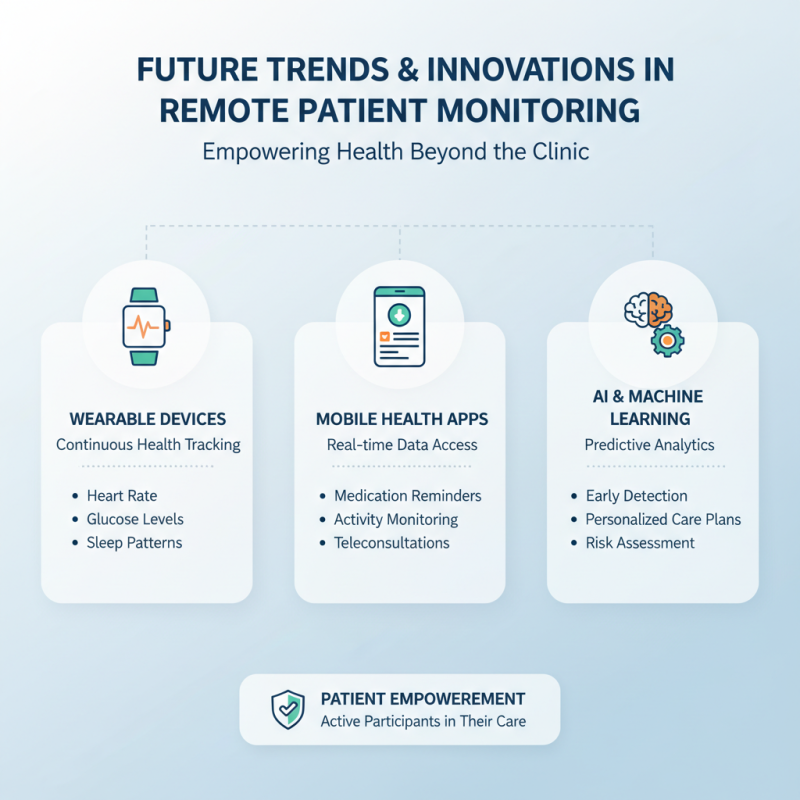
Remote Patient Monitoring (RPM) is rapidly evolving, driven by technological advancements. Innovations such as wearable devices and mobile health applications allow continuous tracking of patient health. These tools can monitor heart rate, glucose levels, and even sleep patterns in real-time. They empower patients to be active participants in their care.
Future trends show a growing emphasis on personalization. Systems are becoming adaptive, learning from individual behaviors and preferences. This shift aims to create bespoke health management plans. However, there is room for improvement. Data security is a pressing issue that needs adroit handling. Users must feel safe sharing sensitive information. Additionally, the integration of artificial intelligence can enhance predictions. Yet, ethical implications around AI decision-making warrant careful scrutiny.
The landscape of RPM is still developing. Participating healthcare professionals require ongoing training. They face challenges in data interpretation and patient engagement. As technology advances, providers must adapt. This dynamic environment creates opportunities for better health outcomes but also raises questions about accessibility and equity in healthcare.