Top Innovations in Medical Device Technology Today?
In the rapidly evolving field of medical device technology, innovation is transforming healthcare. Dr. Emily Johnson, a leading expert in biomedical engineering, states, "Technology is the future of medicine. The right devices can save lives." Her perspective underscores the urgency of integrating advanced technologies into clinical practice.
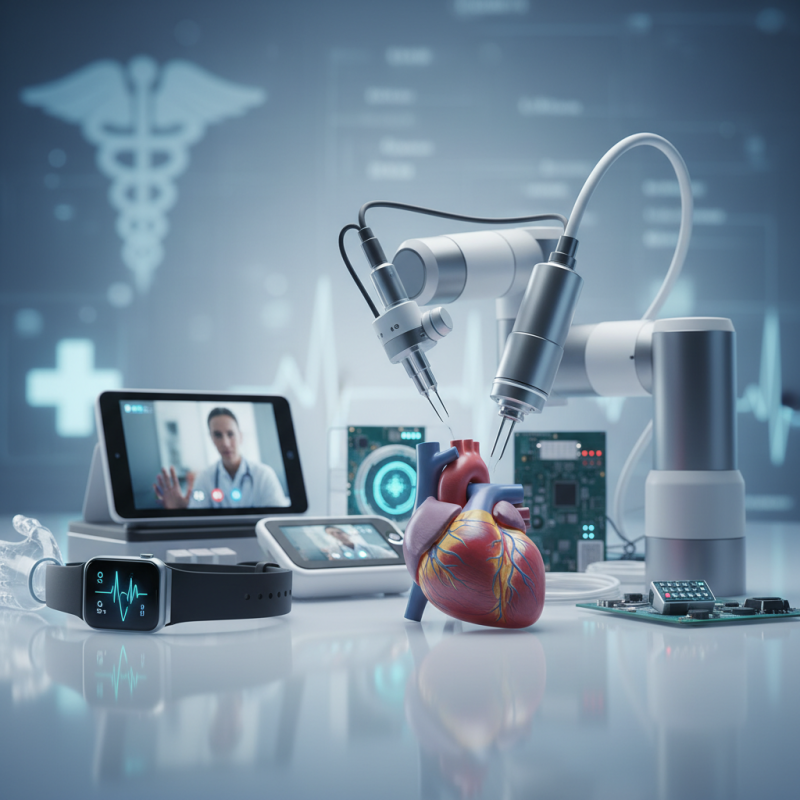
Recent advancements in medical device technology have improved patient outcomes. Wearable devices now monitor vital signs in real time. Surgical robots enhance precision in operations. Telehealth technologies have expanded access to care. Each of these innovations plays a crucial role in modern medicine.
However, challenges remain. The balance between rapid innovation and regulatory compliance can be difficult. Some devices face scrutiny due to safety concerns. As we embrace new technologies, it is essential to prioritize patient safety and ethical considerations. In this context, the future of medical device technology promises both hope and complexity.
Current Trends in Medical Device Innovations
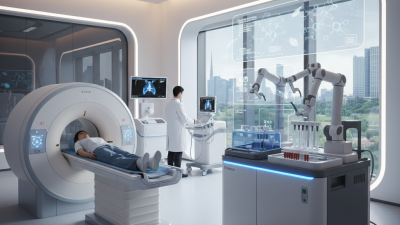
Innovations in medical device technology are transforming healthcare today. One major trend is the integration of artificial intelligence (AI) into diagnostic tools. AI algorithms analyze vast amounts of data, detecting patterns faster than humans. This speeds up diagnosis and treatment, benefiting patients. However, reliance on AI raises questions about accuracy and accountability.
Wearable health devices are also gaining traction. These gadgets monitor vital signs and provide real-time health data. They empower individuals to take charge of their health. Yet, not everyone is tech-savvy. Some may feel overwhelmed by constant data collection.
Tips: When using wearable devices, regularly check the accuracy of data. Consult a healthcare professional for interpretation. Remember, technology can aid health, but personal responsibility is crucial. Stay informed about your device’s features and limitations.
Breakthroughs in Minimally Invasive Surgical Technologies
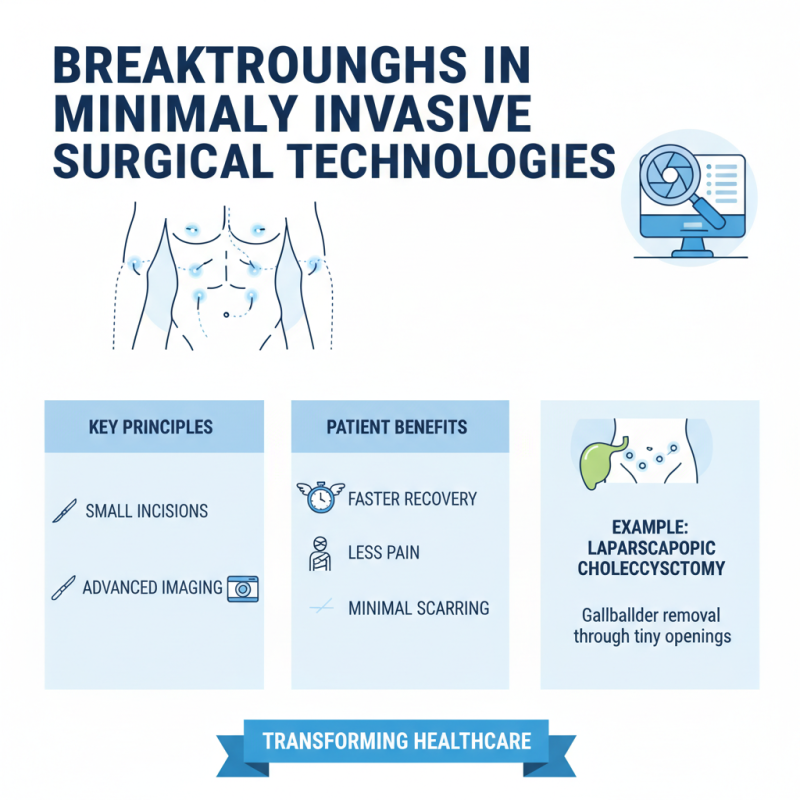
Minimally invasive surgical technologies are transforming healthcare. Surgeons now use small incisions and advanced imaging. These methods reduce recovery time. Patients often experience less pain and scarring. For instance, laparoscopic techniques allow for gallbladder removal through tiny openings.
Robotic-assisted surgeries are another innovation. They provide precision and control beyond human ability. However, this technology also raises concerns. Not all surgeons are equally trained in using robotics. In some cases, outcomes can be unpredictable, leading to complications. The learning curve for these systems can be steep.
Emerging technologies like augmented reality (AR) are also on the rise. AR can enhance surgical visualization, offering real-time guidance. Yet, reliance on such tools might lead to a decline in fundamental skills. It's essential for medical professionals to balance technology and hands-on experience. This balance can ensure better patient outcomes and more confident surgeons.
Advancements in Wearable Health Monitoring Devices
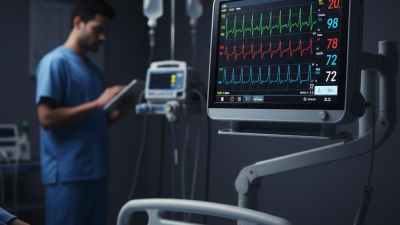
Wearable health monitoring devices have transformed personal healthcare. These gadgets, often worn on the wrist or embedded in clothing, track vital signs continuously. They can monitor heart rate, sleep patterns, and even blood oxygen levels. This data often helps individuals make informed health decisions.
Despite their potential, these devices face challenges. Accuracy sometimes varies between models. Many users may not interpret data correctly. Additionally, privacy concerns arise from extensive health data collection. Users should be cautious about how their information is stored and shared.
New advancements aim to enhance usability and reliability. Improved sensors can provide more accurate readings. Innovations are also focusing on energy efficiency, extending battery life significantly. While the technology shows promise, ongoing evaluation and critical thinking remain essential.
Smart Implantable Devices for Chronic Disease Management
Smart implantable devices are transforming chronic disease management. These devices offer real-time monitoring and data collection for patients. They are designed to improve adherence to treatment and enhance patient outcomes. For people with diabetes, these devices can monitor glucose levels continuously. They send alerts when levels are too high or low, providing immediate feedback.
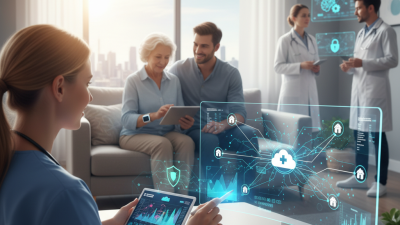
The integration of data analytics makes these devices more effective. Data collected can indicate trends that inform treatment adjustments. Patients can access this information through mobile apps. This empowers them to manage their health proactively. However, challenges remain. Data security and privacy are significant concerns in using these technologies. Patients must trust that their information is handled safely.
Not all patients find them easy to use. Some report difficulties in understanding the technology. Education is crucial to maximizing the benefits of these devices. While progress is impressive, more work is needed to ensure these innovations are accessible and user-friendly for everyone. The journey toward seamless integration into daily life continues.
Top Innovations in Medical Device Technology Today - Smart Implantable Devices for Chronic Disease Management
| Device Type |
Technology |
Disease Management |
Key Features |
Patient Benefits |
| Cardiac Monitor |
Real-time ECG monitoring |
Heart disease |
Wireless connectivity, alerts |
Immediate feedback, enhanced safety |
| Insulin Pump |
Automated insulin delivery |
Diabetes management |
Smart dosing, mobile app integration |
Better glycemic control, convenience |
| Neurostimulator |
Programmable pain relief |
Chronic pain |
Adjustable settings, real-time feedback |
Long-term pain management, improved quality of life |
| Vision Implant |
Retinal stimulation |
Vision loss |
Real-time visual feedback |
Restored vision capabilities, independence |
The Role of Artificial Intelligence in Diagnostic Tools
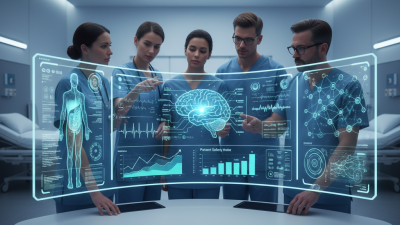
Artificial Intelligence (AI) is transforming diagnostic tools in healthcare. These technologies analyze vast amounts of medical data. They can identify patterns that humans might overlook. For instance, AI can recognize subtle changes in imaging scans. This ability enhances early detection of diseases like cancer. It allows for timely treatment, significantly improving patient outcomes.
However, reliance on AI in diagnostics raises concerns. Not all algorithms are perfect. Some can produce false positives, leading to unnecessary stress for patients. Moreover, a lack of transparency in AI decision-making can challenge trust among healthcare providers. Clinicians need to understand how these tools work. They must evaluate AI recommendations critically.
Additionally, the integration of AI requires robust training for healthcare professionals. Without proper education, the potential of these tools could be underutilized. There’s a learning curve involved, where familiarity with technology is essential. Striking a balance between human intuition and AI assistance is crucial. This collaborative approach can help realize a future where technology and human expertise coexist in harmony.