What is Non Invasive Monitoring Devices and How Do They Work?
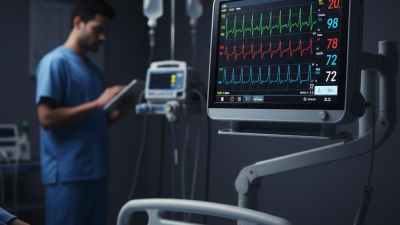
Non-invasive monitoring devices are revolutionizing the healthcare landscape. Dr. Emily Chen, a leading expert in medical technology, states, "These devices enhance patient care without discomfort." With the ability to track vital signs like heart rate and oxygen levels, they offer crucial insights rapidly.
These devices operate by using sensors that detect signals from the body. They do not require any invasive procedures. This can significantly reduce patient anxiety and improve their comfort during medical assessments. Despite their advantages, some concerns remain regarding accuracy and reliability.
The growing popularity of non-invasive monitoring devices raises questions. How can we ensure that these tools remain effective? Continuous research and development are essential to address potential drawbacks. The future may hold even more advanced solutions that can further enhance patient outcomes.
Definition of Non-Invasive Monitoring Devices
Non-invasive monitoring devices are essential tools in modern healthcare. They allow for the continuous observation of vital signs without the need for surgical procedures. These devices include pulse oximeters, electrocardiograms, and blood pressure monitors, which can track physiological parameters effectively.
The definition of non-invasive monitoring devices centers on their ability to collect data without penetrating the skin. According to a report from MarketsandMarkets, the global non-invasive monitoring market was valued at $38.2 billion in 2020 and is projected to reach $65.7 billion by 2026, reflecting a significant growth rate. This growth is driven by advancements in technology, providing easier access to health information for patients and clinicians alike.
While these devices enhance patient comfort and reduce infection risk, there are still challenges. Accuracy can vary based on user proficiency and environmental factors. A study in the Journal of Clinical Monitoring and Computing noted discrepancies in readings due to motion artifacts, which can lead to false alarms. This highlights the need for continuous evaluation of device performance as technologies evolve. Additionally, not all patients respond the same way to these devices, illustrating the importance of personalized monitoring approaches in diverse populations.
Types of Non-Invasive Monitoring Devices
Non-invasive monitoring devices have transformed healthcare monitoring. These devices allow for continuous observation of vital signs without the need for invasive procedures. Some common types include heart rate monitors, pulse oximeters, and blood pressure cuffs. They collect data through sensors placed on the skin, providing real-time readings.
Heart rate monitors track the heartbeat using optical sensors. These sensors detect blood flow under the skin and translate it into heart rate data. Pulse oximeters measure the oxygen saturation in blood by shining light through a fingertip or earlobe. Blood pressure cuffs then offer non-invasive ways to measure arterial pressure, often used in routine check-ups.
While these technologies enhance patient comfort, challenges remain. Accuracy can vary based on placement and user movement. Data interpretation requires clinical expertise to ensure reliability. Future advancements may improve accuracy, but it's essential to remain critical of current limitations.
Principles of Operation for Non-Invasive Monitoring
Non-invasive monitoring devices are increasingly popular in healthcare. They provide critical data without breaking the skin. These devices typically work by using sensors that gather information through the skin. Common methods include optical sensors, ultrasound, and electrical impedance.
The principles of operation for these devices hinge on detecting physiological signals. For instance, pulse oximeters measure blood oxygenation by shining light through the fingertip. The absorption of light varies based on oxygenated and deoxygenated hemoglobin. According to the World Health Organization, such devices can provide rapid assessments, which can be crucial in emergencies.
Consider how these devices can improve patient comfort. They eliminate the discomfort associated with needles. However, accuracy can vary. Factors like skin pigmentation and movement can affect the readings. Users should be aware of these limitations while interpreting results. Having a basic understanding of how these devices operate will ensure more informed usage.
Understanding the working principles helps optimize these devices' efficacy. Consistent use in the right settings allows for better healthcare outcomes. Those employing non-invasive monitoring should stay educated on advancements in technology to adapt to new findings and improve reliability.
What is Non Invasive Monitoring Devices and How Do They Work? - Principles of Operation for Non-Invasive Monitoring
| Device Type |
Principle of Operation |
Applications |
Benefits |
Limitations |
| Pulse Oximeter |
Uses light absorption to measure oxygen saturation in blood. |
Monitoring oxygen levels in patients with respiratory issues. |
Quick and easy to use, provides immediate results. |
May be inaccurate in low perfusion states. |
| Blood Pressure Monitor |
Uses oscillometric or auscultatory methods to estimate blood pressure. |
Hypertension monitoring, pre-operative assessments. |
Non-invasive, easy to use at home. |
Cuff pressure can cause discomfort, and readings may vary. |
| Heart Rate Monitor |
Detects heartbeats using photoplethysmography or ECG. |
Fitness tracking, arrhythmia detection. |
Real-time tracking and feedback, portable devices available. |
Some devices may not accurately reflect heart condition during high activity. |
| Temperature Monitor |
Uses infrared technology to measure body temperature. |
Fever detection, thermal monitoring in clinical settings. |
Quick, contactless measurement. |
Sensitivity to environmental factors can affect accuracy. |
| Glucometer |
Measures blood glucose levels using enzymatic assays. |
Diabetes management and monitoring. |
Provides rapid glucose level readings, easy to carry. |
Requires calibration and can be affected by factors like altitude. |
Applications of Non-Invasive Monitoring in Healthcare
Non-invasive monitoring devices play a crucial role in modern healthcare. These devices offer real-time data without the need for invasive procedures. Many healthcare providers now prefer these techniques due to their comfort and safety for patients. According to a report by MarketsandMarkets, the global non-invasive monitoring market is expected to reach $7 billion by 2025, reflecting its growing importance in patient care.
Applications of non-invasive monitoring are diverse. In critical care settings, devices like pulse oximeters measure oxygen saturation in the blood quickly and accurately. These devices greatly reduce the need for blood draws, minimizing patient discomfort. Additionally, wearable technologies track vital signs, enabling continuous monitoring even outside hospital settings. A study published in the Journal of Medical Internet Research highlighted that remote monitoring can reduce hospital readmissions by up to 30%.
However, there are challenges. Data accuracy can be affected by factors such as patient movement and skin conditions. Clinicians must be aware of these limitations to ensure they interpret results correctly. Trusting technology without understanding its intricacies might lead to misdiagnoses. Balancing technology with professional judgment is essential for effective patient care.
Applications of Non-Invasive Monitoring Devices in Healthcare
Advantages and Limitations of Non-Invasive Monitoring Devices
Non-invasive monitoring devices are gaining traction in healthcare. They provide valuable insights without the need for invasive procedures. This approach offers comfort to patients, as it minimizes pain and risk. These devices can monitor vital signs like heart rate, oxygen levels, and blood pressure. They are simple to use and can often be operated by the patients themselves.
Despite their benefits, these devices come with limitations. Accuracy might suffer in certain conditions. Environmental factors can interfere with readings, leading to false data. Patients should be aware that while these devices are helpful, they are not always reliable. Regular calibration and validation are essential to ensure their effectiveness. Medical professionals still recommend traditional methods for critical assessments.
Overall, non-invasive devices represent a significant advancement in monitoring health. They enhance patient experience and provide a layer of convenience in routine check-ups. However, patients and healthcare providers must remain vigilant about their limitations. Understanding both aspects ensures better health outcomes.