What is Remote Patient Monitoring and How Does it Work?

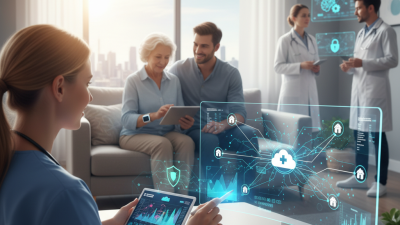
Remote Patient Monitoring (RPM) has become an essential tool in healthcare. This innovative method allows healthcare providers to track patients’ vital signs from afar. Dr. Sarah Thompson, a renowned expert in telehealth, states, “Remote patient monitoring can revolutionize how we manage chronic illnesses.” Her insights highlight the transformative potential of RPM.

The concept of RPM is straightforward yet powerful. Devices collect data on heart rate, blood pressure, and other health metrics. This data is then transmitted to healthcare providers in real-time. These insights enable timely interventions, potentially preventing hospitalizations. However, the technology also presents challenges. Patients may struggle with using complex devices. Compliance can vary, impacting the effectiveness of RPM.

Despite its promise, RPM is not without flaws. Some patients may feel isolated without face-to-face interactions. Technology could fail, leading to data inaccuracies. Thus, while remote patient monitoring holds great potential, ongoing dialogue and improvement are necessary. Addressing these concerns will shape the future of healthcare delivery.
What is Remote Patient Monitoring and How Does it Work?

Overview of Remote Patient Monitoring (RPM)

Remote Patient Monitoring (RPM) is a transformative approach in healthcare. It allows healthcare providers to monitor patients remotely using digital technologies. A study from the American Hospital Association shows that 73% of hospitals are using RPM programs. This method enhances the ability to track chronic conditions and overall health in real time.

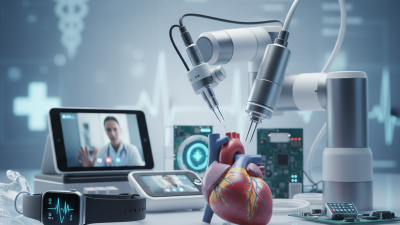
RPM devices include wearables and mobile apps that measure vital signs. These devices collect data on heart rate, blood pressure, and glucose levels. Patients wear them daily, enabling consistent monitoring without frequent hospital visits. The potential for early intervention is significant. According to a report from Market Research Future, the RPM market is projected to reach $2.5 billion by 2023. This growth reflects a broader acceptance of digital health solutions.

Challenges exist within RPM. Some patients struggle with technology, leading to frustration. Additionally, data privacy concerns can deter patient engagement. The effectiveness of RPM depends on reliable data and user-friendliness. Continuous feedback from patients is vital for improving these tools. Engaging patients ensures they are well-informed and comfortable with the technology.

Key Technologies Used in Remote Patient Monitoring

Remote patient monitoring (RPM) is revolutionizing healthcare. It relies on various technologies to track patients' health remotely. Key technologies include wearable devices, mobile health applications, and telecommunication tools. Wearables can monitor vital signs continuously. They provide real-time data to healthcare providers, improving decision-making.

According to a report by Grand View Research, the RPM market is projected to reach $2.5 billion by 2027. The rise is driven by an increasing demand for chronic disease management. Mobile health applications also play a significant role. They offer features like medication reminders and health tracking, making patient engagement crucial. Many patients report feeling more empowered when using these tools.

Telecommunication tools are essential for remote consultations. They reduce the need for in-person visits. Yet, some obstacles remain. Issues like data privacy and technology access can hinder effectiveness. Research indicates that approximately 30% of patients encounter challenges in adopting RPM technologies. Addressing these concerns is vital for RPM's future growth and success.

What is Remote Patient Monitoring and How Does it Work? - Key Technologies Used in Remote Patient Monitoring

Technology Description Applications Benefits
Wearable Devices Devices that monitor health metrics like heart rate, activity levels, and sleep patterns. Chronic disease management, fitness tracking, sleep studies. Real-time health data, increased patient engagement, and empowerment.
Telehealth Platforms Online platforms for remote consultations between patients and healthcare providers. Routine check-ups, specialist consultations, mental health therapies. Access to care, convenience, and reduced travel time.
Mobile Health Apps Applications that allow patients to track their health metrics and communicate with healthcare providers. Medication adherence, symptom tracking, appointment scheduling. Improved communication, medication adherence, and personalized care.
Remote Monitoring Software Software platforms that aggregate and analyze health data collected from various sources. Data analytics for clinical decision support, trend analysis. Enhanced predictive analytics, better resource allocation, and optimized treatment plans.
Cloud Computing Use of internet-based servers to store and process health data securely. Data storage, real-time collaboration among healthcare teams. Scalability, cost-effectiveness, and enhanced data security.

How Remote Patient Monitoring Improves Patient Care

Remote Patient Monitoring (RPM) is transforming patient care through technology. By using devices that track vital signs, healthcare providers gain real-time insights into patients' health. This immediate access leads to quicker responses to any changes. For instance, a patient with diabetes can monitor their blood sugar levels at home regularly. If levels fluctuate, doctors can act quickly, adjusting treatment plans on the fly.

RPM also supports chronic disease management effectively. Patients who struggle with continuous health issues benefit greatly. Regular updates can prevent hospitalizations and reduce emergency visits. Having tools at home cuts down on travel time and stress. Yet, some doctors find it challenging to interpret the data. Misunderstandings can lead to incorrect assessments. Communication between patients and providers remains crucial.

The integration of RPM requires a learning curve for both healthcare professionals and patients. Training is often needed to use devices correctly. Patients must feel comfortable with technology. While RPM offers significant advantages, it isn’t a one-size-fits-all solution. Each patient's needs must be evaluated, ensuring that technology aids rather than complicates care.

Challenges and Considerations in Implementing RPM

Remote Patient Monitoring (RPM) is becoming more common in healthcare. While the benefits are clear, challenges exist that require careful consideration. Implementing RPM technology can lead to increased efficiency, but it comes with hurdles such as data security and patient compliance.

Patients may struggle with the necessary technology or feel overwhelmed. If devices are too complicated, users might avoid them. Encouraging user-friendly designs is essential. Health care providers should ensure ongoing support is available. This can improve user engagement and satisfaction.

Data security is another concern. Protecting patient information is crucial. Providers must invest in secure platforms and adhere to privacy regulations. Patients should also be informed about how their data is used. Transparency helps build trust.

Tips: Consider offering training sessions to patients. This can help them understand RPM tools. Regular follow-ups can also reinforce the value of RPM, keeping patients engaged.

Future Trends in Remote Patient Monitoring Technologies

Remote patient monitoring (RPM) is increasingly shaping the future of healthcare. As per a recent report by ResearchAndMarkets, the RPM market is projected to reach $2.5 billion by 2027, growing at a CAGR of 19.9%. This explosive growth highlights its potential in improving patient outcomes and decreasing hospital readmission rates.

Technologies are evolving rapidly. Wearable devices now provide real-time data on vital signs. Smart algorithms analyze this data for better decision-making. However, these advancements are not without challenges. Data privacy concerns persist, as well as the need for user-friendly interfaces. A study published in the Journal of Medical Internet Research noted that 30% of users found existing RPM tools cumbersome. Healthcare providers must address these usability issues while ensuring data security.

Telehealth platforms are also integrating RPM features. They allow seamless communication between patients and providers. The American Hospital Association reported that 76% of hospitals are deploying RPM technologies to enhance care delivery. Despite these benefits, there's a need for standardized protocols to ensure effective implementation across different healthcare settings. Balancing innovation with patient-centric approaches remains a critical area for improvement in RPM technologies.

Go to Top
Have Questions? Call (888) 602-pros