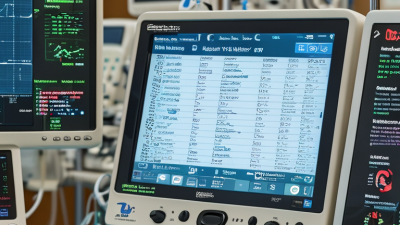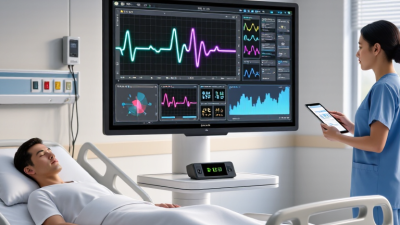
Choosing among the top 10 bedside patient monitors requires more than comparing screen size, alarm volume, or purchase price. These devices sit beside a patient’s bed, displaying signals that may change within seconds. Heart rate, oxygen saturation, blood pressure, respiratory rate, and temperature must remain visible and clinically meaningful.
Patient safety gives this comparison urgency. The World Health Organization’s Global Patient Safety Report 2024 states that approximately one in ten patients experiences harm in healthcare, with a substantial share considered preventable. A monitor cannot prevent every error. It can, however, support earlier recognition when configured and used correctly. That distinction matters.
Market research also shows strong demand for monitoring technology. Grand View Research identifies continuous growth in the global patient monitoring devices market, driven by chronic disease, aging populations, and hospital investment. Fortune Business Insights reports a similar expansion, although market estimates differ because companies define device categories differently. That inconsistency deserves attention.
This guide evaluates the top 10 bedside patient monitors through practical clinical criteria, not marketing claims. It considers measurement accuracy, alarm management, connectivity, display clarity, mobility, cleaning workflows, and total ownership cost. Evidence from manufacturer specifications, regulatory documentation, and recognized standards informs the discussion. Independent validation remains important.
No ranking fits every ward. An intensive care unit may prioritize waveform detail and network integration. A general ward may need simple controls and fewer false alarms. Small details matter: a readable screen across a dim room, a secure cable connection, or a battery that lasts through patient transport. Some conclusions remain imperfect because published head-to-head comparisons are limited. Readers should verify local protocols, staff training, and device compatibility before making a final decision.
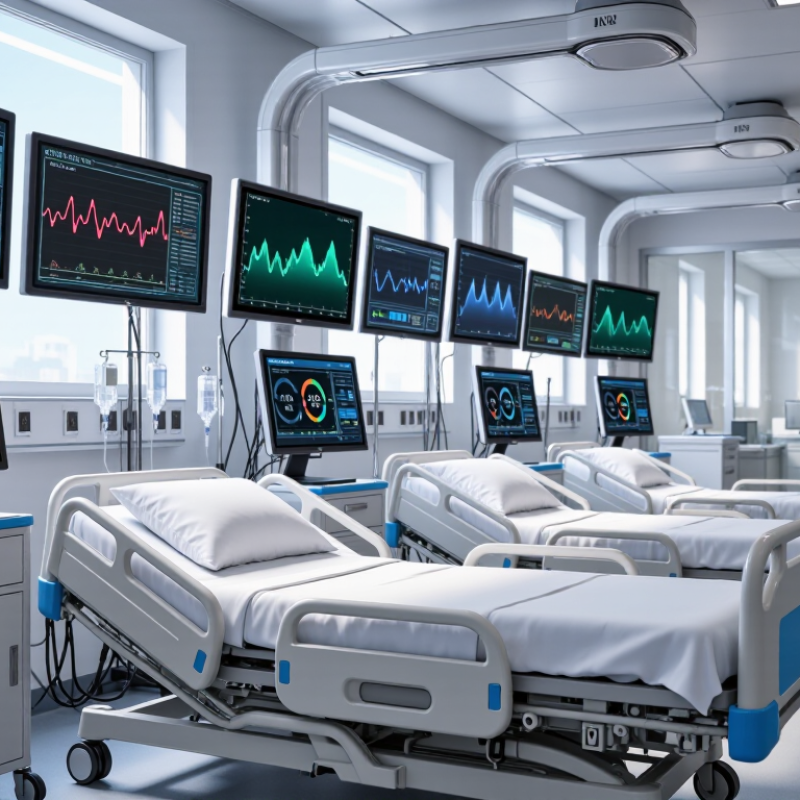
Bedside patient monitors are medical devices placed near a patient’s bed to display vital signs continuously. They commonly track heart rate, blood pressure, oxygen saturation, respiratory rate, and body temperature. Some advanced systems also show cardiac rhythms, carbon dioxide levels, or invasive pressure measurements. Their purpose is practical: they help clinicians notice deterioration early and respond with appropriate assessment or treatment.
The top ten monitors should be judged by clinical purpose, not appearance or popularity. An emergency monitor may need rapid readings and strong alarms. A critical care monitor may require several channels, trend analysis, and connections to hospital records. In a general ward, simple operation and clear visibility can matter more.
I have seen how a crowded screen can slow recognition. More information is not always better. Alarm accuracy, sensor comfort, data reliability, and easy cleaning also deserve careful review.
Tips: Match the monitor to the patient’s condition and care setting. Check whether alarms are adjustable without becoming unsafe. Confirm that staff can interpret the displayed trends quickly. Inspect cables and sensors before use. Poor placement can create false readings. No monitor is perfect. Clinical judgment remains essential, especially when a reading conflicts with the patient’s appearance. A quiet patient with cool fingers may show an unexpectedly low oxygen value, requiring a sensor check and direct assessment.
Comparing the top 10 bedside patient monitors requires more than counting displayed parameters. Clinicians should examine ECG accuracy, SpO₂ performance, non-invasive blood pressure cycling, temperature tracking, and respiration trends. Capnography and invasive pressure options matter in higher-acuity rooms. The best comparison begins with patient needs, not impressive specifications.
Alarm design deserves close attention. Volume range, visual priority, delay settings, and alarm history can affect bedside decisions. IEC 60601-1-8 provides guidance for medical alarm systems. ECRI’s patient-safety reports repeatedly identify alarm management as a serious technology concern.
A monitor with many alarms may still perform poorly if staff cannot distinguish urgency quickly. Quiet rooms expose weak alarm tones. Noisy rooms expose weak visual signals.
Workflow features also separate strong monitors from average ones. Look for readable displays, glove-friendly controls, automatic trend storage, long battery life, and easy surface cleaning. HL7 or FHIR connectivity can reduce manual transcription, but integration failures remain possible. Cybersecurity updates and user access controls deserve equal attention. The World Health Organization reports that about one in ten patients experiences harm in healthcare, with more than half considered preventable. Monitoring cannot solve every safety problem. It can, however, make deterioration easier to notice. My comparison would score usability heavily, yet that choice is imperfect. A monitor that looks excellent in testing may frustrate nurses during a crowded night shift. Real ward observation is essential.
Bedside monitoring is no longer a single-purpose task. According to Fortune Business Insights’ 2024 patient monitoring report, hospitals are expanding connected monitoring as chronic diseases and aging populations increase clinical demand. The top ten categories differ by function and application: basic vital-sign monitors, multiparameter monitors, ECG monitors, pulse oximeters, non-invasive blood pressure monitors, invasive pressure monitors, capnography monitors, fetal and maternal monitors, anesthesia monitors, and telemetry-linked bedside systems. Each category answers a different bedside question. Is oxygen falling? Is rhythm unstable? Is ventilation weakening? Small displays can carry serious decisions.
Multiparameter systems suit intensive care and emergency departments because they combine ECG, SpO2, temperature, respiration, and blood pressure. Capnography is especially useful during anesthesia, sedation, and ventilator management. Invasive pressure monitoring supports complex critical-care cases, while fetal monitors serve labor and delivery units. Telemetry-linked systems help nurses review trends beyond one room.
A 2023 WHO patient-safety report identifies diagnostic errors as a major source of avoidable harm, making accurate trends more valuable than isolated readings. However, more parameters do not always mean better care. Alarm fatigue remains a practical concern. A noisy ward changes everything. Reports from ECRI have repeatedly listed alarm management as a patient-safety priority.
Selection should therefore consider sensor quality, alarm customization, battery life, data integration, cleaning workflows, and staff training. I would not rank one monitor as universally “best.” That claim feels convenient, but incomplete. A reliable device can still underperform when electrodes loosen, cuffs fit poorly, or clinicians overlook context.
What Are the Top 10 Bedside Patient Monitors?
Choosing the right bedside patient monitor starts with the patient, not the product list. A monitor for a stable adult may need different functions than one for a post-operative patient. Check essential measurements, including ECG, heart rate, oxygen saturation, blood pressure, temperature, and respiratory rate. Add invasive pressure or carbon dioxide monitoring only when clinically necessary. Too many options can create noise.
The top ten choices should be compared by purpose, accuracy, usability, and service support. Look for a clear display that remains readable under dim ward lighting. Test alarm sounds beside the bed, not only in a showroom. Confirm that staff can adjust limits quickly and silence alarms safely. Review battery performance, data storage, network compatibility, and cleaning instructions. Smooth surfaces and sealed controls matter when equipment is disinfected frequently. Confirm training, maintenance, and local regulatory compliance before purchase.
A perfect monitor rarely exists. In practice, a sophisticated screen can slow care when its menus feel crowded. I would also check the cable layout with a real patient bed. Small details matter. A loose sensor, short cable, or confusing alarm can affect workflow. Ask nurses and clinicians to test the device during realistic scenarios. Their feedback may challenge the original specification, which is useful. The best choice supports accurate observation, timely decisions, and confident bedside use without replacing clinical judgment.
A dependable bedside patient monitor is judged by more than its screen size or feature list. The top ten models should provide accurate ECG, oxygen saturation, blood pressure, temperature, and respiratory-rate readings. They should also show clear trends and use alarms that staff can understand quickly. Simple controls matter during a crowded night shift.
Maintenance begins before every patient connection. Staff should inspect cables, probes, cuffs, and power cords for cracks, loose pins, or exposed wires. The screen and touch controls need cleaning with an approved hospital disinfectant. Reusable sensors require proper reprocessing between patients. Batteries should be charged, tested, and replaced according to technical guidance. Qualified personnel must complete calibration and electrical safety checks. Record every inspection. Missing records weaken trust, even when the monitor appears normal.
Safety depends on correct setup and constant clinical judgment. Set alarm limits for the individual patient, not for convenience. Never silence an alarm without checking its cause. Confirm the patient’s identity, then place each sensor carefully on clean, suitable skin. Motion, poor circulation, sweat, and bright light can distort readings. In practice, a quiet monitor is not always a reassuring monitor. It may indicate a disconnected probe, an incorrect limit, or a failed sensor. Even experienced staff can overlook these details during emergencies. Rechecking the patient manually remains essential when a value conflicts with their condition.
Common bedside monitoring functions, typical adult reference midpoints, and essential guidance for maintenance, safety, and proper use.
The values shown are representative adult reference midpoints and are not directly comparable across different units. Clinical reference ranges vary by patient condition, age, care setting, and local policy. Alarm limits should be individualized by qualified clinicians. Inspect cables, probes, batteries, and accessories before use; verify alarms and sensor placement; clean equipment according to facility procedures; and follow the applicable manufacturer instructions and electrical-safety requirements.