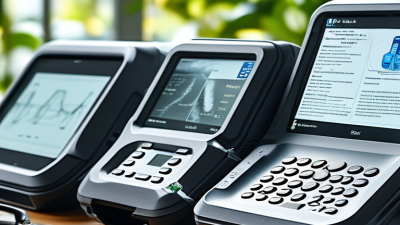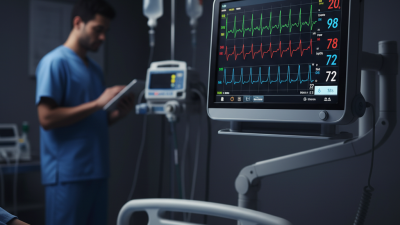
Choosing among the top emergency medical equipment suppliers worldwide requires more than comparing prices or product catalogs. Hospitals, ambulance services, clinics, and disaster-response teams depend on equipment that performs reliably under pressure. A defibrillator must start quickly. A portable suction unit must remain effective in a moving ambulance. Even small details, such as battery life, alarm clarity, and cleaning instructions, can influence patient care.
This introduction examines leading suppliers through practical and professional criteria. These include product quality, regulatory documentation, technical support, delivery capacity, training services, and after-sales maintenance. It also considers the needs of different healthcare settings, from advanced trauma centers to rural clinics with limited electricity. Supplier experience matters. So does transparent communication about product limitations, replacement parts, and expected operating conditions.
No global ranking is permanently correct. Markets change. Certifications expire. Supply chains can weaken without warning. A supplier with an excellent reputation may still perform poorly in a specific region or during an urgent order. That limitation deserves attention. Reliable evaluation should use verified company information, healthcare procurement records, independent reviews, and guidance from qualified medical professionals. Personal experience can reveal practical problems, but it should not replace clinical evidence or formal compliance checks.
The following outline provides a focused framework for identifying dependable emergency medical equipment suppliers worldwide. It highlights manufacturers and distributors that support safer purchasing decisions, consistent performance, and responsible healthcare delivery. The goal is not to promote a single brand. It is to help readers ask better questions before selecting essential equipment.
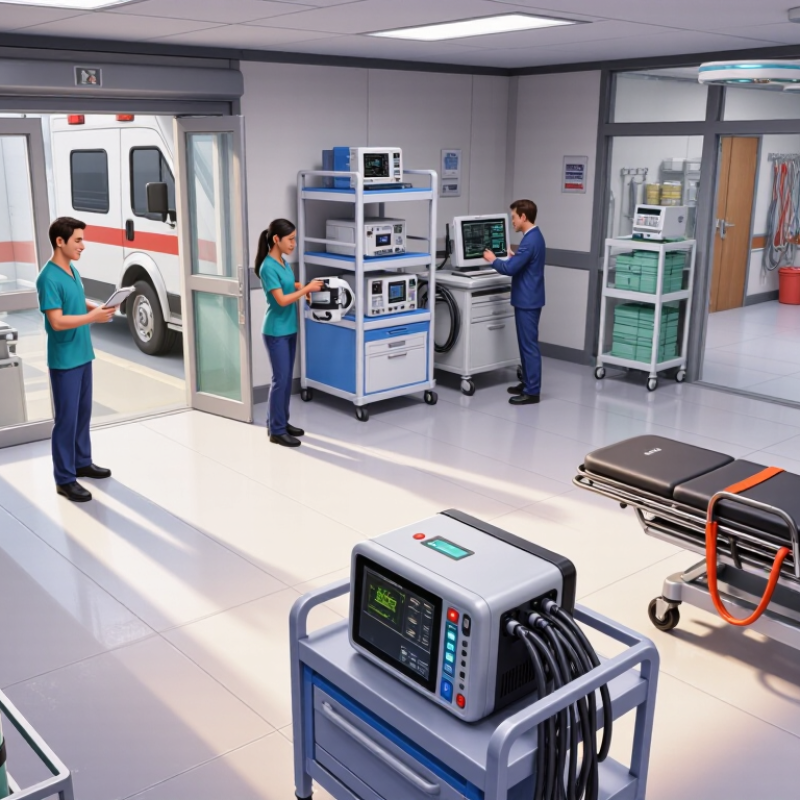
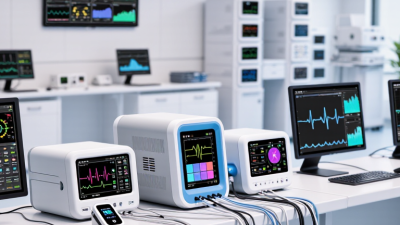
Emergency medical equipment includes devices used to assess, stabilize, monitor, and transport critically ill or injured patients. It ranges from manual resuscitation bags and suction units to defibrillators, oxygen systems, patient monitors, infusion pumps, and trauma stretchers. These tools support care before diagnosis is complete. In a crowded ambulance, a reliable pulse oximeter can reveal falling oxygen levels within seconds. A defibrillator can deliver a controlled shock when a dangerous rhythm is confirmed.
In critical care, equipment turns clinical decisions into immediate action. Monitors display heart rhythm, blood pressure, temperature, and oxygen saturation. Ventilation devices assist patients who cannot breathe effectively. Infusion pumps deliver measured fluids or medicines, reducing avoidable dosing variation. Yet technology does not replace assessment. Alarms may be missed in noise, and sensors can misread cold, poorly perfused fingers. Training matters as much as procurement. Staff should practice setup, battery checks, cleaning, and emergency handover under realistic pressure.
When hospitals evaluate suppliers worldwide, they should examine quality systems, service response times, calibration support, user training, and spare-part availability. Equipment should match local power standards, transport conditions, staffing, and patient volume. A sophisticated device may fail if consumables are scarce or instructions are unclear. My own preference has changed: I once valued feature lists too highly. Field reliability, simple controls, and maintenance records often matter more. No device is perfect. Teams need backup plans, honest incident reviews, and clear limits for every critical tool.
Comparing global emergency medical equipment suppliers requires more than checking product catalogs. Field experience matters. Ask whether the supplier has supported ambulances, rural clinics, and crowded emergency departments. A supplier should explain how monitors perform during transport, dust exposure, and unstable power. Request service records, user training plans, and replacement timelines. These details reveal practical competence better than polished claims.
Technical evaluation should match equipment to clinical risk. Check accuracy ranges, battery duration, alarm visibility, cleaning requirements, and system compatibility. For defibrillators, ask about self-testing, electrode storage, and performance after repeated use. For oxygen systems, inspect regulator durability and cylinder connection standards. Independent testing, recognized quality certifications, and traceable inspection documents strengthen supplier credibility. Still, certification alone is not proof of dependable field performance. That distinction is often missed.
Reliability also depends on local support. Compare response times across regions, spare-parts availability, warranty language, and technician qualifications. A clear escalation process matters when an alarm fails at 2 a.m. Check whether training includes realistic drills, not only online slides. Transparent suppliers disclose limitations, software dependencies, and expected maintenance costs. Some comparisons remain imperfect because hospitals report needs differently. Record each assumption before choosing. This makes later review more honest.
Top Emergency Medical Equipment Suppliers Worldwide
Leading emergency medical equipment suppliers usually serve several product categories. Their portfolios may include automated external defibrillators, transport ventilators, suction units, patient monitors, stretchers, and trauma kits. Strong suppliers also provide oxygen delivery systems, emergency lighting, and mobile power solutions. Product depth matters because ambulances, hospitals, and disaster teams rarely need identical equipment.
Regional reach reveals another layer of reliability. Suppliers with distribution centers in North America, Europe, Asia-Pacific, the Middle East, and Africa can often reduce delivery delays. Local service teams may support installation, calibration, staff training, and replacement parts. These details matter during a busy emergency department shift. A monitor waiting for a missing sensor is not fully operational.
Procurement teams should compare certifications, maintenance coverage, battery performance, and user training. They should also check whether equipment suits local languages, climate conditions, and transport systems. A defibrillator designed for frequent ambulance use needs durable casing and clear controls. A ventilator may require dependable battery life during power interruptions. Claims about global reach can sound impressive, but regional stock levels deserve closer inspection. Some suppliers offer broad catalogs yet provide limited technical support outside major cities. That weakness is easy to miss. Supplier performance should be reviewed through service records, response times, and feedback from clinical users. Mistakes happen, and even experienced buyers can overvalue price during urgent purchasing.
This chart uses the number of Member States and areas represented by each WHO regional office as a neutral proxy for worldwide regional reach. Common emergency medical equipment categories include airway management, patient monitoring, diagnostic devices, resuscitation equipment, transport equipment, and emergency consumables. The regional figures are based on WHO regional office membership data and do not rank individual companies or brands.
Reliable emergency equipment suppliers should support four essential categories: monitoring, resuscitation, trauma, and transport.
Monitoring devices include vital-sign monitors, pulse oximeters, electrocardiograph systems, and capnography units. They help clinicians detect deterioration before a crisis becomes obvious. Clear screens matter in dim ambulances. Simple controls reduce mistakes during stressful care.
Resuscitation equipment requires dependable defibrillators, airway tools, suction units, and manual ventilation bags. Staff need quick access, visible instructions, and batteries that withstand frequent checks.
Trauma supplies include bleeding-control dressings, tourniquets, splints, cervical supports, and burn-care materials. Packaging should open quickly, even with wet gloves. Small details matter. A sealed kit is useless if nobody can find it.
Transport equipment must protect patients during movement between scenes, ambulances, and hospitals. Stretchers, evacuation chairs, immobilization systems, and portable oxygen holders should remain stable on uneven surfaces.
Experienced suppliers provide maintenance guidance, user training, replacement parts, and documented quality controls. They also understand local clinical workflows and regulatory expectations.
No supplier is perfect. Delivery delays, unclear instructions, or overlooked accessories can disrupt care.
Buyers should test equipment in realistic drills, not only inspect catalog photographs. Our assumptions can be wrong, especially when equipment looks familiar. Feedback from paramedics, nurses, and physicians often reveals problems that specifications hide.
Reliable purchasing depends on evidence, practical testing, and consistent after-sales support.
Procurement should measure readiness, not only purchase price. WHO reports that healthcare causes harm to one in ten patients, while over half of this harm is preventable. Reliable emergency equipment can reduce avoidable delays, but only when staff can use it under pressure. Buyers should verify device registration, electrical safety, calibration records, training, and spare-part availability. Delivery time matters too. A low-cost monitor is not economical if its battery fails during a night shift.
Compliance needs evidence, not polished promises. The WHO estimates more than two million medical device types worldwide, making classification and documentation difficult. Ask suppliers for quality certificates, technical files, user manuals, and local regulatory support. Confirm whether service engineers are trained for the exact model. After-sales support should include preventive maintenance, response-time commitments, replacement units, and transparent warranty terms. One uncomfortable lesson remains: a complete checklist can still miss poor bedside usability.
Tips: Test equipment in a realistic emergency drill. Record battery duration, alarm clarity, cleaning steps, and setup time. Keep service logs accessible. Review supplier performance quarterly, not only after a failure. Ask for references from comparable hospitals, but verify them independently. WHO’s Global Patient Safety Action Plan 2021–2030 also emphasizes learning systems; procurement teams should document incidents and improve specifications accordingly.