10 Best Respiratory Monitoring Devices for Global Buyers

Choosing respiratory monitoring devices is not simply a matter of comparing screens, sensors, or advertised features. Global buyers need dependable measurements, clear workflows, and evidence that supports real clinical decisions. A compact pulse oximeter may suit a home-care visit, while a capnography monitor may be more appropriate for anesthesia or emergency environments. The right choice depends on patient needs, monitoring frequency, staff training, and local procurement requirements.

This guide examines ten respiratory monitoring devices for buyers evaluating products across different markets. It considers measurement accuracy, portability, battery performance, alarm visibility, data connectivity, cleaning requirements, and user experience. It also highlights practical details, such as whether readings remain stable during movement or whether a charging cable survives daily transport. Regulatory approvals and manufacturer documentation deserve careful attention. Availability, warranty support, and replacement sensors can vary significantly between countries.

No list can identify one perfect device for every setting. A lower-cost model may perform well during routine checks but struggle in intensive environments. A premium monitor may offer advanced functions that some teams rarely use. That difference matters. Product specifications can also appear impressive without explaining real-world limitations. Buyers should verify independent evidence, clinical suitability, service coverage, and applicable regional requirements before purchase. The following selection offers a practical starting point, not a substitute for professional evaluation. Even experienced buyers should reassess their assumptions. Respiratory monitoring is too important for convenience alone.
10 Best Respiratory Monitoring Devices for Global Buyers

What Respiratory Monitoring Devices Measure and Why They Matter

Respiratory monitoring devices measure different signals, not one complete picture. Pulse oximeters estimate blood oxygen saturation and pulse rate through a fingertip sensor. Capnography tracks exhaled carbon dioxide, respiratory rate, and ventilation quality. Spirometers measure airflow, forced vital capacity, and FEV1, helping clinicians assess obstructive patterns. Sleep monitors may record oxygen drops, airflow changes, body movement, and apnea events.

These measurements matter because respiratory decline can appear quietly. The World Health Organization’s 2024 global health estimates identify chronic respiratory diseases as a major cause of death worldwide, with chronic obstructive pulmonary disease causing about 3.5 million deaths in 2021. In hospital settings, respiratory rate and oxygen saturation can support earlier escalation when readings worsen. However, one number rarely explains the patient’s condition. Cold fingers, motion, poor circulation, or an unsuitable sensor can distort results.

Clinical experience shows that trend data often matters more than a single reading. A falling oxygen level during walking may reveal an issue missed at rest. Repeated nighttime desaturation can also support further sleep evaluation. The American Thoracic Society emphasizes standardized pulmonary function testing, including proper technique and quality checks. Devices are useful only when calibrated, correctly positioned, and interpreted with symptoms and medical history. A tidy screen can still mislead. This is an area where buyers should demand validation evidence, clear alarm settings, and service support, rather than choosing solely by feature count.

Key Types of Respiratory Monitoring Devices for Different Needs

10 Best Respiratory Monitoring Devices for Global Buyers

Key Types of Respiratory Monitoring Devices for Different Needs

Respiratory monitoring starts with the clinical question, not the device list. Pulse oximeters estimate oxygen saturation and pulse rate during triage, transport, and home observation. However, the FDA warns that skin pigmentation, poor circulation, and motion can affect readings. They are useful, but never perfect. The World Health Organization reported that chronic obstructive pulmonary disease caused about 3.23 million deaths in 2019. This burden makes reliable oxygen monitoring important across hospitals and community settings.

Capnography measures exhaled carbon dioxide and supports sedation, anesthesia, emergency care, and ventilator management. Respiratory rate monitors offer simpler continuous observation for general wards. Spirometers measure airflow and help assess asthma or suspected COPD, while requiring trained operation and proper calibration. For sleep-related breathing disorders, home sleep apnea testing can record airflow, oxygen levels, and breathing effort overnight. It is practical, but it cannot replace full laboratory studies for every patient.

Transcutaneous carbon dioxide monitors suit neonatal, critical-care, and long-term ventilation assessment. Ventilator-integrated monitors provide pressure, volume, flow, and alarm data at the bedside. WHO estimates that asthma affected 262 million people and caused 455,000 deaths in 2019. Buyers should therefore match sensors, battery life, connectivity, cleaning requirements, and local training capacity to the care environment. A cheaper device may become expensive when calibration, replacement probes, and staff errors are ignored. Procurement teams should review independent validation, applicable standards, and performance across different skin tones.

Ten Leading Respiratory Monitoring Devices for Global Buyers

Ten Leading Respiratory Monitoring Devices for Global Buyers

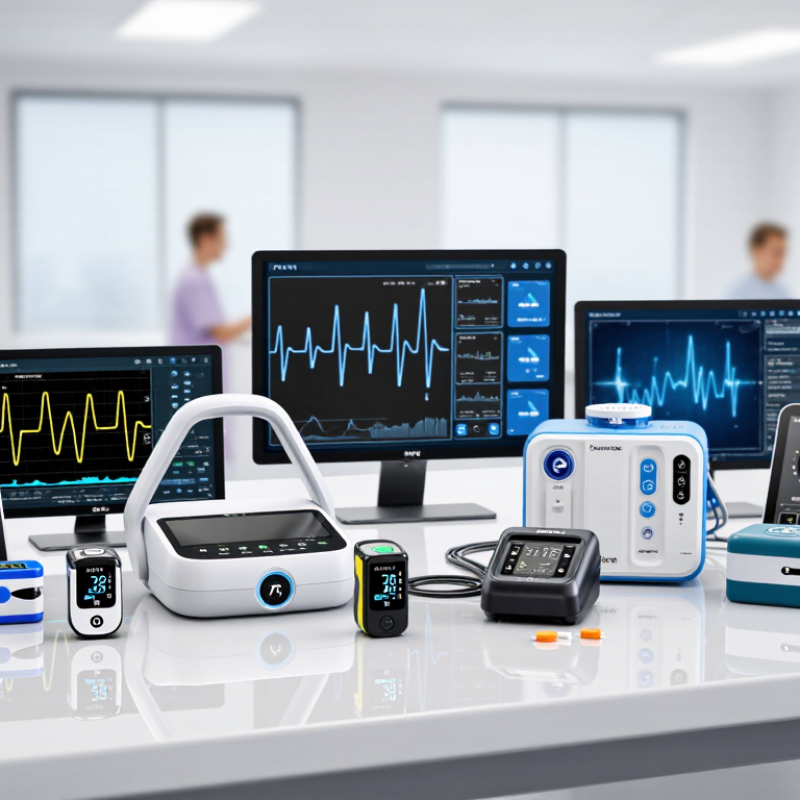
Respiratory monitoring devices help clinicians detect breathing changes before they become emergencies. The leading options include pulse oximeters, capnography monitors, respiratory rate sensors, spirometers, and wearable patches. Each device serves a different clinical purpose. Oxygen saturation readings are useful, but they never explain the entire respiratory condition.

Global buyers should examine measurement accuracy, sensor durability, battery life, and data visibility. A bedside capnography monitor can display carbon dioxide levels breath by breath. A handheld spirometer can record forced expiratory volume during a clinic visit. Wearable sensors may track respiratory rate during sleep or routine activity.

Small details matter. A loose sensor can produce misleading readings.

Procurement teams should request independent validation, calibration guidance, alarm specifications, and service support. Devices intended for rural facilities need clear screens, sturdy cases, and dependable charging options. Staff training also affects reliability. Even an advanced monitor can fail when users misunderstand motion artifacts or poor skin contact. That is an uncomfortable reality. Buyers should compare performance in realistic settings, not only in polished demonstrations. Some devices promise seamless connectivity, yet weak networks may delay critical data. A careful trial with actual clinicians, patients, cleaning routines, and local power conditions can reveal weaknesses before large-scale purchasing.

How to Compare Accuracy, Usability, Connectivity, and Cost

10 Best Respiratory Monitoring Devices for Global Buyers

Comparing respiratory monitoring devices requires more than reading a specification sheet. Accuracy should be tested across resting, walking, and shallow-breathing conditions. Look for independently validated measurements of oxygen saturation, respiratory rate, or carbon dioxide levels. Motion, poor circulation, skin temperature, and sensor placement can affect readings. A device showing two decimal places is not automatically more accurate. That detail can mislead buyers.

Usability matters during busy clinical shifts and home monitoring. A clear display, physical buttons, simple alarms, and fast sensor replacement reduce mistakes. Check whether staff can operate the device while wearing gloves. Battery life should cover a full working day, not only laboratory testing. Cleaning instructions must suit repeated use. Small screens frustrate users. Field trials often reveal problems that brochures omit.

Connectivity can improve remote review, but it also creates new risks. Confirm Bluetooth or Wi-Fi stability, offline data storage, export options, and secure access controls. Interoperability with existing records may require technical support. Cost comparisons should include sensors, calibration, batteries, software fees, training, repairs, and shipping. A low purchase price may become expensive over three years. No comparison is perfect. Buyers should document local network limits, language needs, and service availability before choosing among the ten devices. A short trial with real users may expose workflow weaknesses early.

Safety Standards, Purchasing Factors, and International Support

Choosing the best respiratory monitoring device starts with safety, not the lowest quotation. Global buyers should check IEC 60601-1 electrical safety and IEC 60601-1-2 electromagnetic compatibility requirements. Pulse oximeters may follow ISO 80601-2-61, while respiratory gas monitors may require ISO 80601-2-55. Standards change. Verify the current edition and local registration rules before ordering.

The right device depends on the setting. A compact pulse oximeter suits mobile assessments, while capnography provides deeper information during anesthesia or critical care. Spirometers need reliable flow sensors and simple calibration routines. Check accuracy across motion, cold fingers, low perfusion, and high humidity. Ask for test reports, calibration certificates, alarm specifications, battery data, and cleaning instructions. Small details matter. A bright screen can still fail in sunlight.

International support often decides whether a purchase succeeds. Confirm multilingual manuals, remote training, replacement sensors, spare batteries, and service response times. Check plug types and power compatibility for each destination. Local technicians are valuable when a monitor fails during a night shift. In my purchasing reviews, suppliers sometimes promise “global service” but provide only email support. That gap deserves written clarification. I would also request sample packaging and shipping protection; a damaged probe can delay deployment. No device fits every hospital, ambulance, or home-care program, so buyer feedback should remain part of the evaluation.

10 Respiratory Monitoring Device Types for Global Buyers

Comparison based on the typical number of core respiratory variables measured or displayed. Higher coverage does not necessarily indicate better clinical performance; buyers should also verify intended use, regulatory approval, calibration requirements, consumables, cybersecurity, language support, training, and local service availability.

Common international reference standards include ISO 80601-2-61 for pulse oximeter equipment, ISO 80601-2-55 for respiratory gas monitors, ISO 80601-2-12 for critical-care ventilators, and ISO 26782 for spirometers. Actual specifications vary by device configuration and intended-use classification.

Go to Top
Have Questions? Call (888) 602-pros